Written by Emma Rarick
June 29, 2026
Disability Pride 101
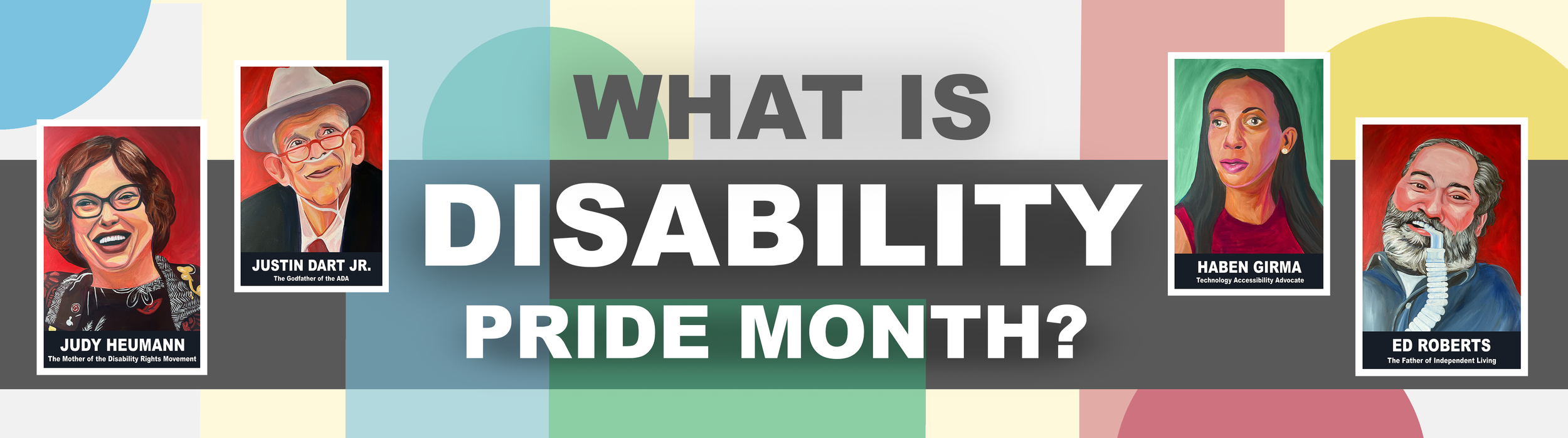
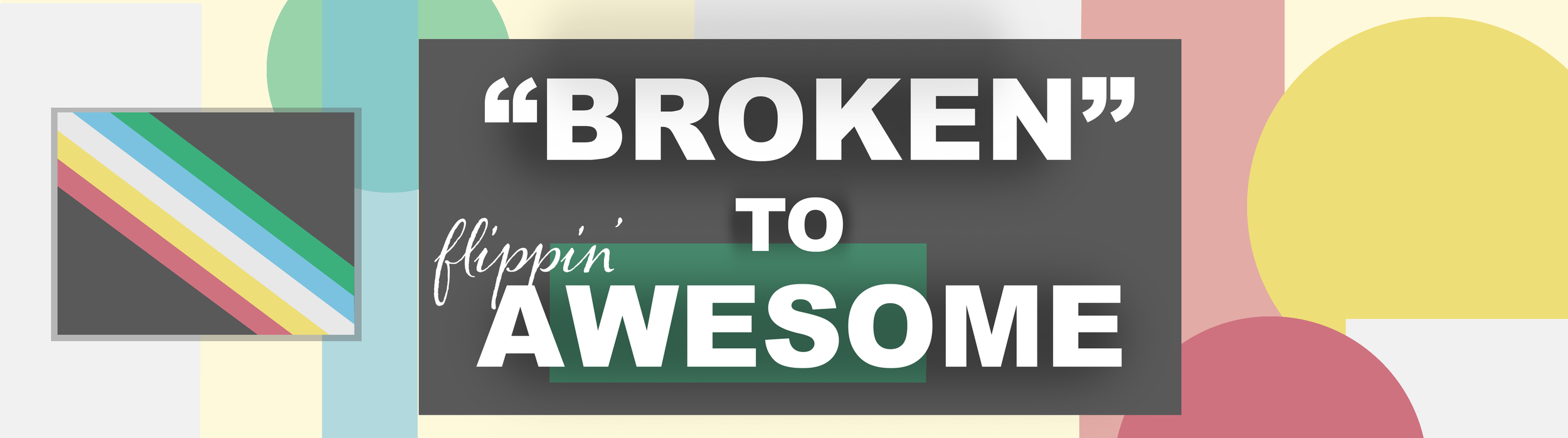
Disability Pride is the celebration of accepting and honoring disability as a natural part of human life. It rejects the historical framing of disability as something that makes people broken, and highlights how it creates people who are actively awesome. Disability Pride Month celebrates the Americans with Disabilities Act (ADA)'s anniversary, which was passed on July 26, 1990. The first Disability Pride Day celebration happened in Boston in 1990.
To me, Disability Pride Month is dedicated time to be proud of all you’ve accomplished and become as a person with a disability. It is also an important time to bring visibility to people with disabilities experiences and needs, so that we can learn how to better support all of our neighbors. According to the World Health Organization, people with disabilities make up 16% of the world's population, or 1 in 6 of us, representing all ages, races, ethnicities, genders, sexual orientations, religions, and socio-economic backgrounds. Because the thing about disabilities is that they don’t discriminate. Anyone is capable of becoming a part of our disability community at any point in their life, and we will proudly welcome you with open arms when / if the time comes.
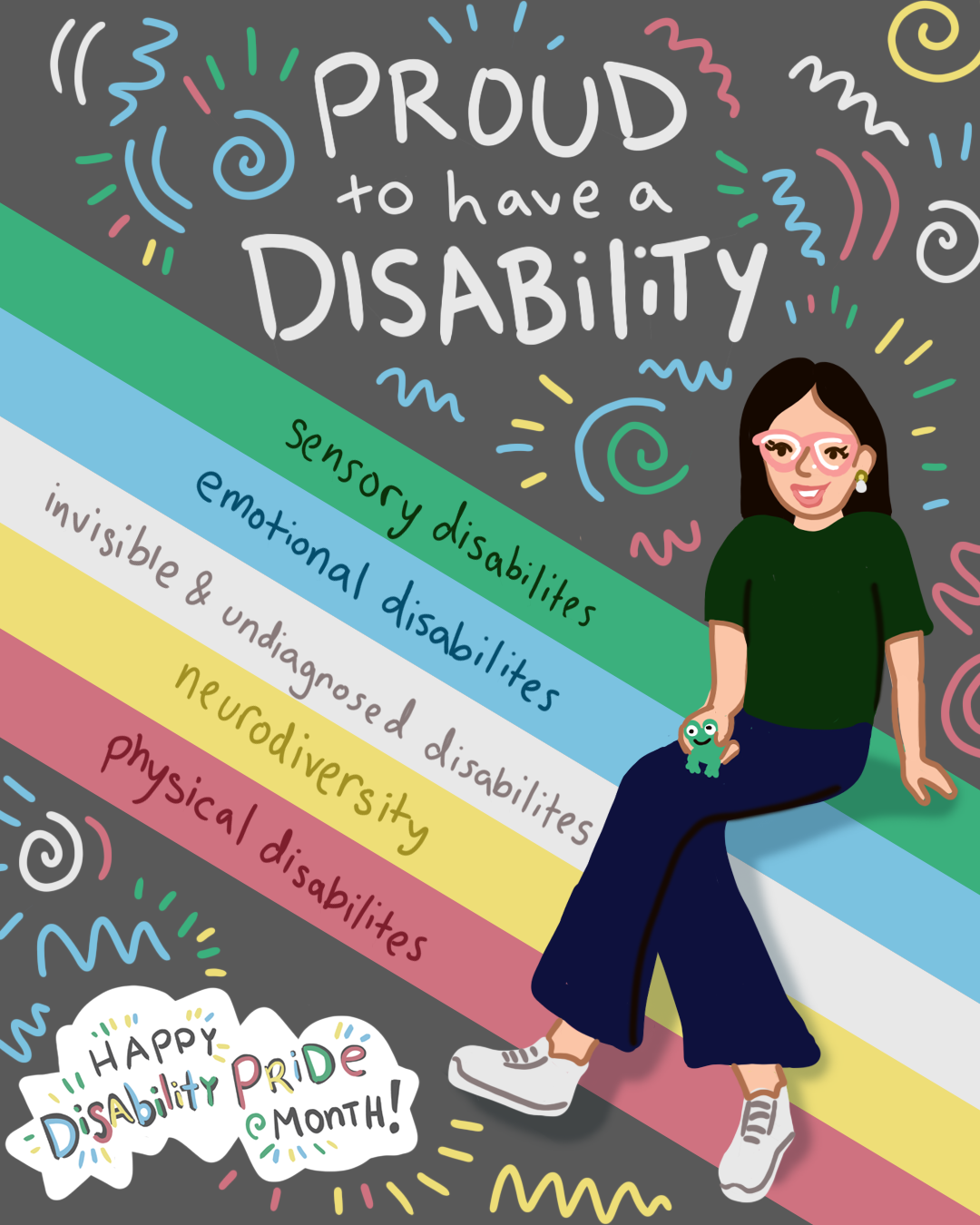
Emma Rarick.“Proud to have a Disability,” July 2026, digital drawing, 3.5×4.5”.
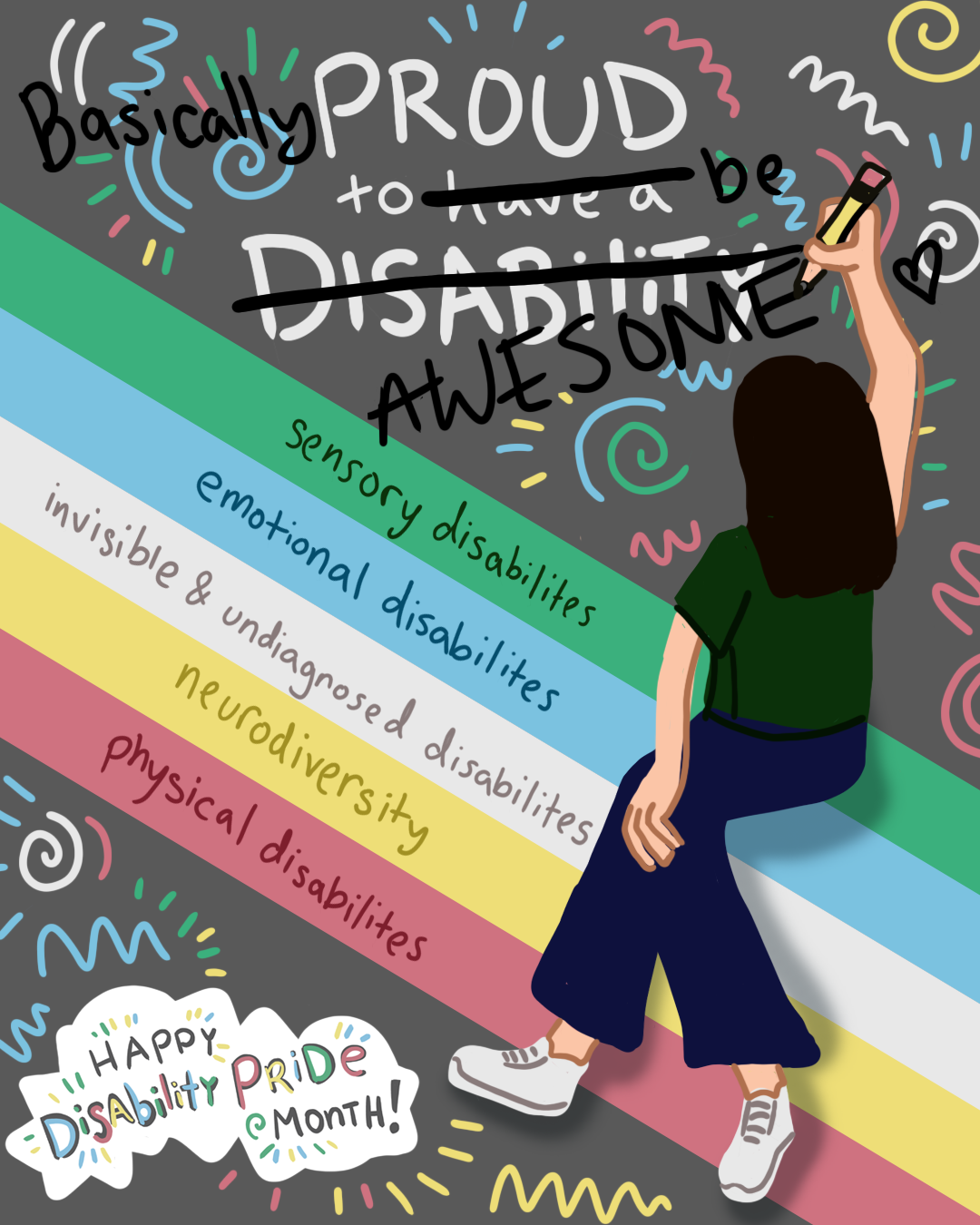
Emma Rarick.“Basically Proud to be Awesome” July 2026, digital drawing, 3.5×4.5”.
How do people celebrate Disability Pride Month?
We celebrate Disability Pride Month by listening to and uplifting the voices of people with disabilities. People with disabilities are historically dismissed, isolated, and excluded from society due to negative social stigma surrounding their differences. By taking a couple minutes of your day to slow down and listen to people with disabilities’ experiences and needs, you can make a big impact in helping us move towards a society that is more accepting towards people with disabilities.
Disability Pride Influencer, @chronicallyjenni, does an excellent job of explaining the history of Disability Pride month, as well as it’s relevance today, and overall importance for people living in the USA. She also works to debunk disability myths, & explain how you can support people with disabilities as an ally or a person with disabilities yourself.
Timestamp Chapters:
00:00 What is Disability Pride Month
02:39 Disability Pride Flag Explained
05:21 Debunking Disability Myths
13:13 Why Disability Pride Month is SO Important
14:38 How you can support Disabled People
18:57 Reminders for the Disabled Community
20:14 Closing Thoughts

Types of Disabilities:
Disability Pride Month separates disabilities into 6 different groups. These groups celebrate people with physical disabilities, neurodivergence, undiagnosed & invisible disabilities, psychiatric or emotional disabilities, sensory disabilities, and people with disabilities who have been harmed by ableism or died from their disability. Continue reading to find out more about what its like to have these different types of disabilities and how you might be able to support them.

What is Ableism?
The grey of the Disability Pride flag represents the Ableism that people with disabilities face everyday. “Ableism is a set of beliefs or practices that devalue and discriminate against people with physical, intellectual, or psychiatric disabilities and often rests on the assumption that disabled people need to be ‘fixed’ in one form or the other. Ableism is intertwined in our culture, due to many limiting beliefs about what disability does or does not mean, how able-bodied people learn to treat people with disabilities and how we are often not included at the table for key decisions.” - Center for Disability Rights


What are physical disabilities?
Physical disabilities are any physiological condition, anatomical loss, or structural/functional impairment that limits a person's physical functioning, mobility, dexterity, or stamina. It affects how an individual moves or controls their body and can range from temporary to permanent.
What does it mean to have a physical disability?
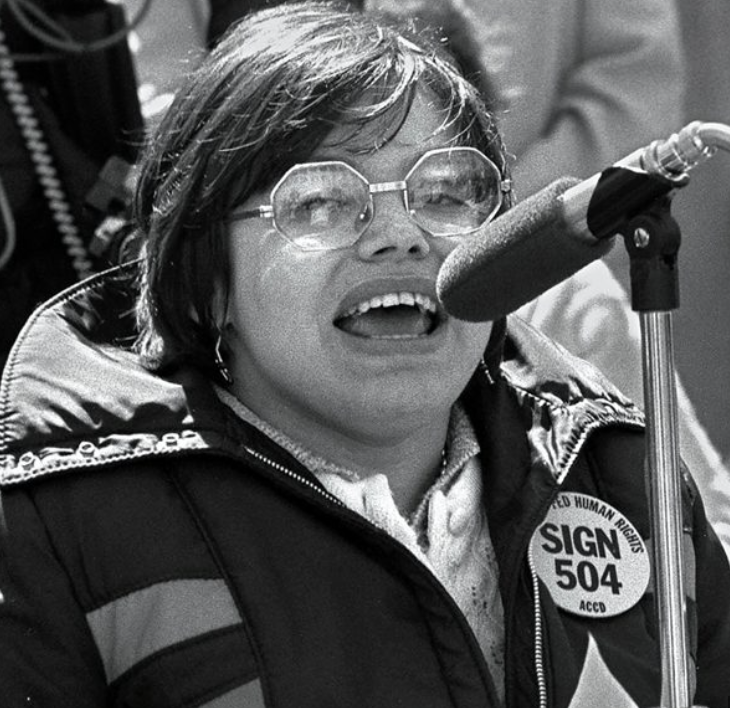
Judy Heumann’s memoir titled Being Heumann: An Unrepentant Memoir of a Disability Rights Activist, really says it best. I’d encourage you to give it a read or listen to the audiobook version of it.
Why are physical disabilities shown in red?
The red stripe of the Disability Pride flag symbolizes Physical Disabilities.
What are some examples of physical disabilities?
Limb loss, mobility & movement impairments, chronic pain, fatigue, issues affecting joints, bones, and muscles, hand tremors, brain damage or nerve damage that impacts motor control, etc.

What is neurodivergence?
Neurodivergence is the concept that differences in how human brains function are normal natural variations, rather than deficits or flaws. It operates on the premise that there is no single "right" way for a brain to think, learn, or process information, and advocates for inclusive environments that embrace these differences.


What does it mean to be neurodivergent?
Oftentimes, neurodivergent people are misunderstood due to the lack of education around different cultures of communicating and the patience it requires to learn about a new culture. This causes them to have to spend their lifetime learning how to verbalize their needs, communicate their limitations, and develop their strengths to fit into our neurotypical society. Conforming to a world that wasn’t designed for neurodivergent people to succeed takes a lot of research, persistence, communication, and energy. But with a little more awareness and acceptance of neurodiversity you can help build a more equitable and accessible world for both neurodivergent and neurotypical people. Please consider reviewing the resources attached below.
Why is neurodivergence shown in yellow?
The yellow stripe of the Disability Pride flag represents Neurodivergence.
What are some examples of neurodivergent conditions?
Some examples of neurodivergent conditions include: Autism, Sensory Processing Disorder, ADHD, Dyslexia, PTSD, OCD, Down Syndrome, etc.

What are invisible disabilities?
Invisible Disabilities are any physical, mental, or neurological condition that is not immediately obvious to others but significantly impacts a person's day-to-day life. These include chronic pain, fatigue, neurodivergence, and mental health issues.

What are undiagnosed disabilities?
Undiagnosed Disabilities are physical or mental condition that significantly limits major life activities, but has not been formally identified or documented by a medical professional. Without an official diagnosis, individuals often struggle to access necessary support in workplaces, schools, or public spaces, and often experience burnout, anxiety, and depression. Getting a formal disability diagnosis is crucial because it unlocks access to legal protections, financial assistance, and specialized support services that can significantly improve your quality of life, independence, and healthcare management.

What does it mean to have an invisible or undiagnosed disability?
“Having an invisible disability is hard because the lack of physical cues leads to disbelief, misunderstanding, and skepticism. People are frequently expected to "prove" their conditions to receive basic accommodations, forcing them to overshare personal medical details and endure demoralizing scrutiny” - The Washington Post
“Everyday tasks, like getting out of bed, staying focused, or making decisions, can become monumental challenges. Some people live with chronic anxiety that makes public spaces feel unsafe. Others experience deep depression that disconnects them from family, friends, and leads to low self-worth. Because these struggles are not visible, others may assume someone is lazy, unreliable, or simply “not trying hard enough.” This misunderstanding can lead to shame, isolation, and even resistance to seeking help. But the truth is: invisible doesn’t mean imaginary. These are real disabilities, and they require real understanding, support, and accommodation.” - Center for People with Disabilities
Why are invisible and undiagnosed disabilities shown in white?
The white stripe of the Disability Pride flag represents Invisible Disabilities & Undiagnosed Disabilities.

What’s a psychiatric disability?
A psychiatric disability is a mood disorder that involves persistent patterns of distressing thoughts, emotions, and behaviors that interfere with daily functioning, work, or education. It is legally recognized under civil rights laws and can qualify individuals for support and benefits.
What are some examples of psychiatric disabilities?
Some examples of psychiatric disabilities include: High-Functioning Anxiety, Depression, Bipolar Disorder, PTSD, OCD, Schizophrenia, Borderline Personality Disorder, etc.
What does it mean to have a psychiatric disability?
“About one-half to two-thirds of all suicides are by people who suffer from mood disorders; preventing suicides among those who suffer from them is thus central for suicide prevention. Understanding factors underlying suicide risk is necessary for rational preventive decisions” - National Library of Medicine
Why are psychiatric disabilities shown in blue?
The blue stripe of the Disability Pride flag represents Psychiatric & Mental Health Conditions.


What are sensory disabilities?
Sensory disabilities are conditions where one or more of the body’s senses (vision, hearing, touch, taste, smell, balance, interoception, or spatial awareness) are impaired or function differently.

What are some examples of sensory disabilities?
Some examples of sensory disabilities are: Sensory Processing Disorder, Blindness, Color Blindness, Deafness, Deafblindness, etc.
What does it mean to have a sensory disability?
Having a sensory disability is different for everyone, but to understand how having a sensory disability affects someone with Autism or Sensory Processing Disorder, click the button below to watch a simulation video of how it feels when I walk through a shopping mall.

Why are sensory disabilities shown in green?
The green stripe of the Disability Pride flag represents Sensory Disabilities.
Support Disability Advocacy Influencers & Creators
-

Trevor Carroll @trevorcarroll
Autism & OCD Acceptance
-

Annika @thistooshallpass77
Autism & ADHD Acceptance
-

Molly Burke @mollyburkeofficial
Visual Impairment Acceptance & Guide Dog
-

Luke Grosch @lukegrosch
Neurodivergent Acceptance
-

Jenni @chronicallyjenni
Disability Acceptance
-

Paul Castle @matthewandpaul
Visual Impairment Acceptance, Book Illustrator, Guide Dog, & Interabled Relationships
-

Tanner @tannerwiththe_tism
Autism Acceptance
-

Kaelynn Partlow @kaelynnvp
Autistic Advocate, Speaker, & Therapist
-
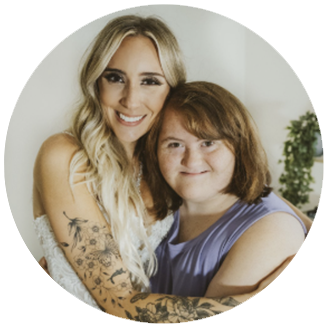
Sarah & Emily @sar_carolyn
Down Syndrome Acceptance
-

Morgan Foley @morgaanfoley
Autism & ADHD Acceptance
-

Amber & Neven @amberandneven
Physical Disability Acceptance & Interabled Relationships
-

@calderasdogtraining
Mobility Service Dogs Acceptance
-

Ar’miah @armiahuniqueworld & @armiahsuniquefamily6
Visual Impairment Acceptance
-

Travis Althouse @travis.stuttering
Disability Acceptance & A Person Who Stutters
-

Vanessa Munoz @vanezmu
Autism & ADHD Acceptance
-

Mike & Jen @theblindhound
Visual Impairment Acceptance & Interabled Relationships
-

Tiffany Yu @imtiffanyyu
Disability Acceptance & Author
-

April Lockhart @aprillockhart
Disability Acceptance & Fashion
-

Kitty Willow Hinde @kittysblind
Visual Impairment Acceptance
-

Mir @or1mirlive
Physical Disability Acceptance
-

Angie @amputeeangie
Physical Disability Acceptance
-

Kaden Sullivan @thelegic_
Physical Disability Acceptance
-

Caleb @calebwheel
Physical Disability Acceptance
-

Re @chronicallyhaute
Physical Disability Acceptance & Fashion
-

Annie Morav @annie_morav
Physical Disability Acceptance
-

Elle Yona @elle.yona
Physical Disability Acceptance
-

Ivy Angst @ivyangst
Physical Disability Acceptance